Northern Kentucky · Parent-child therapy
When your child feels far away,
where do you turn?
A child who once welcomed your affection may now avoid your calls, refuse visits, or seem like someone you no longer know. Dr. Charles W. Washam offers specialized parent-child reunification therapy grounded in decades of clinical experience and a careful understanding of family relationships.
A court order is not required to ask for help.

A place to start
What brought
you here?
You may be grieving a relationship that once felt secure, frightened about what the future holds, or angry that ordinary efforts to reach your child have failed. You can begin with a simple request to speak with Dr. Washam.
Understanding reunification
A parent-child relationship is worth understanding.
For a parent, the loss of ordinary contact with a child can feel devastating. For a child, the feelings surrounding that loss may be equally complicated. Reunification therapy begins by trying to understand how the relationship reached this point and what kind of help might make repair possible.
This means examining the history of the relationship, the child’s developmental needs and emotional experience, the behavior of the adults, and the circumstances that have shaped contact. The aim is not simply to arrange a visit. It is to work toward a healthier relationship that has a chance to endure.
Sometimes a child has been hurt by a parent. Sometimes a relationship has been undermined by conflict, pressure, or interference. More than one influence may be operating. An effective response begins with understanding the difference.
Understand reunification therapyTwo ways to begin
With or without a court order.
Your family’s circumstances shape the starting point.
You’re looking for a way forward.
A parent may contact the practice without a court order. The initial inquiry helps clarify the family’s circumstances, the proposed service, and what arrangements would be needed before treatment begins.
Explore voluntary therapyYou’ve been directed toward therapy.
Court involvement adds responsibilities and constraints, but it does not change the basic purpose of treatment: to understand the child and family, address impediments to a healthier relationship, and work within a clearly defined professional role.
Understand court-involved therapy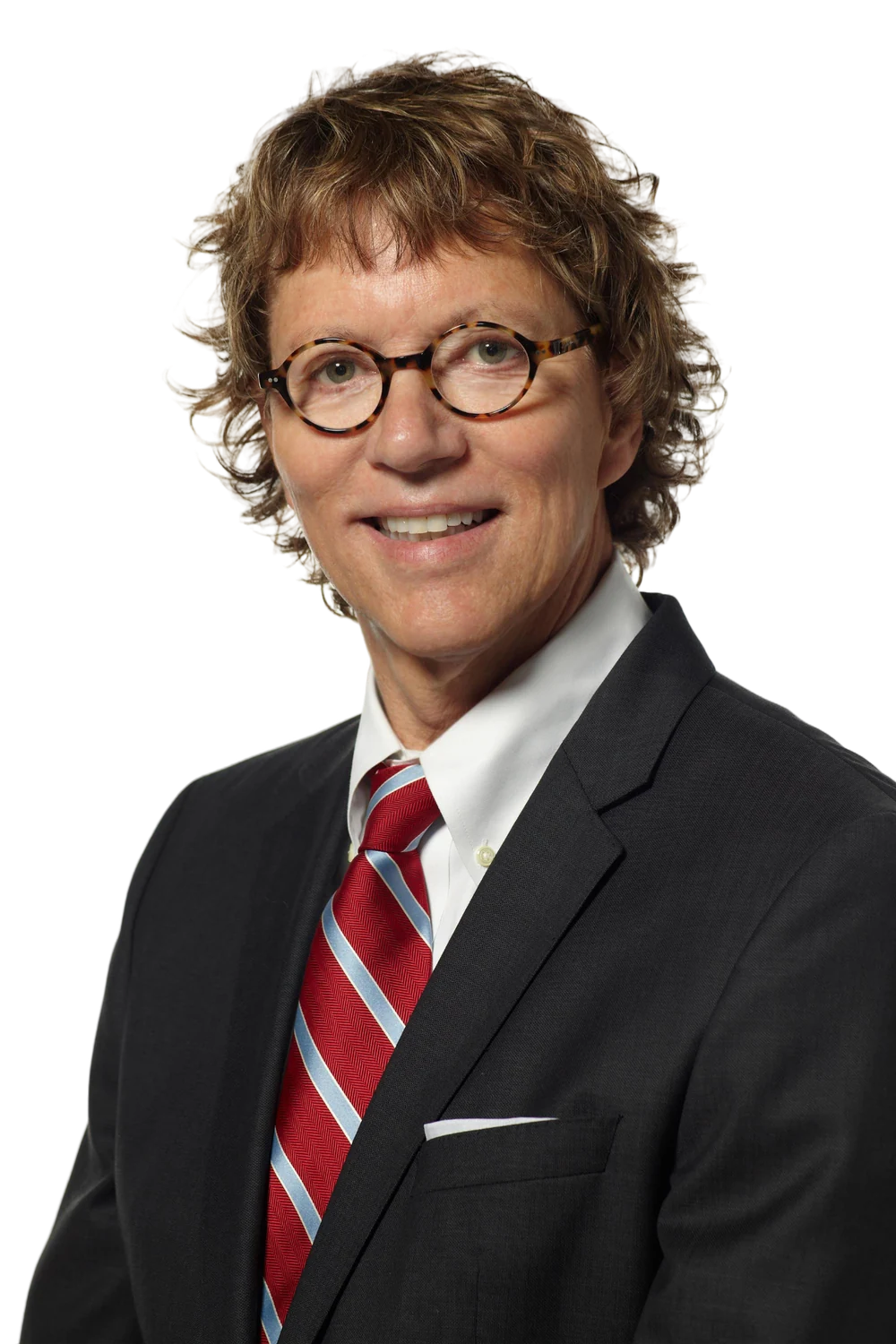
Dr. Washam has spent decades listening to individuals and families whose relationships have been marked by loss, fear, anger, disappointment, and the disruption of family life.
His training in psychoanalysis and object relations, together with his knowledge of development and experience in court-involved family treatment, supports an approach that looks beneath competing explanations to the emotional life of a child and the relationships surrounding that child. His sensitivity to family disruption also has personal roots; his clinical conclusions remain grounded in careful assessment and professional judgment.
*Practice experience described in Dr. Washam’s professional statement. Explore his background and approach.
The process
A thoughtful beginning.
An individualized path.
Start a conversation
Contact the practice to request a conversation and ask about appointment availability.
Understand the circumstances
Consider the history of the relationship, the child’s needs, the adults’ conduct, safety concerns, and any court directions.
Consider the next steps
Establish the participants, clinical goals, payment arrangements, and the appropriate course of treatment.
No. Parents may inquire directly, whether or not litigation is pending. Before treatment begins, Dr. Washam clarifies the family’s circumstances, required consent, and any relevant court orders.
Explore voluntary treatmentA child’s refusal can be deeply painful. It also requires careful inquiry: What has the child experienced? What changed in the family? Is the refusal related to past harm, loyalty conflict, outside influence, or a combination of factors? Dr. Washam considers these questions before determining an appropriate therapeutic response.
Understand contact resistanceThere is no responsible timetable that fits every family. Change may begin with a better understanding of the child, renewed communication, or greater trust. Dr. Washam reviews progress and adjusts treatment according to what is clinically indicated.
Read about treatment durationThe fact that a child refuses contact does not by itself determine the cause. Dr. Washam considers the previous relationship, possible maltreatment or deficient parenting, potential alienating behavior, and the child’s presentation. Neither allegations of alienation nor allegations of estrangement replace careful clinical assessment.
Understand alienation and estrangementClose to home
Focused on families
in Northern Kentucky.
A local practice in Crestview Hills.
Dr. Washam sees patients by appointment at 2734 Chancellor Drive, Suite 202, Crestview Hills, Kentucky. Call or text the practice to make an inquiry. The practice is self-pay and accepts cash or check.
Explore the Northern Kentucky practiceYour next step
When your relationship with your child feels uncertain,
you do not have to face every question alone.
If you are struggling with rejection, separation, or a painful change in your relationship with your child, contact the practice with a brief inquiry about whether an appointment would be appropriate.
Northern Kentucky · Voluntary and court-involved inquiries